
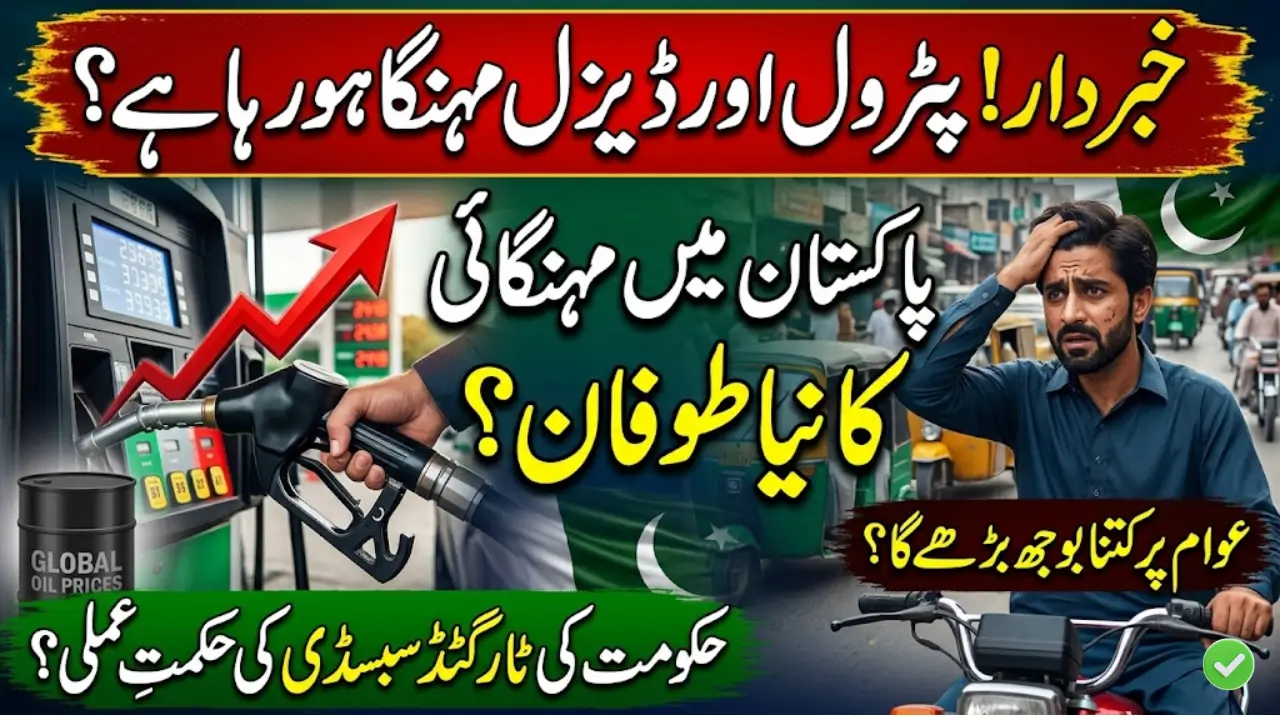
Pakistan is once again heading toward an increase in petrol and diesel prices, a move that is expected to impact millions of citizens across the country. The government is preparing to adjust fuel rates in response to rising global oil prices and growing import costs. This decision comes at a time when inflation is already a major concern for households and businesses alike.
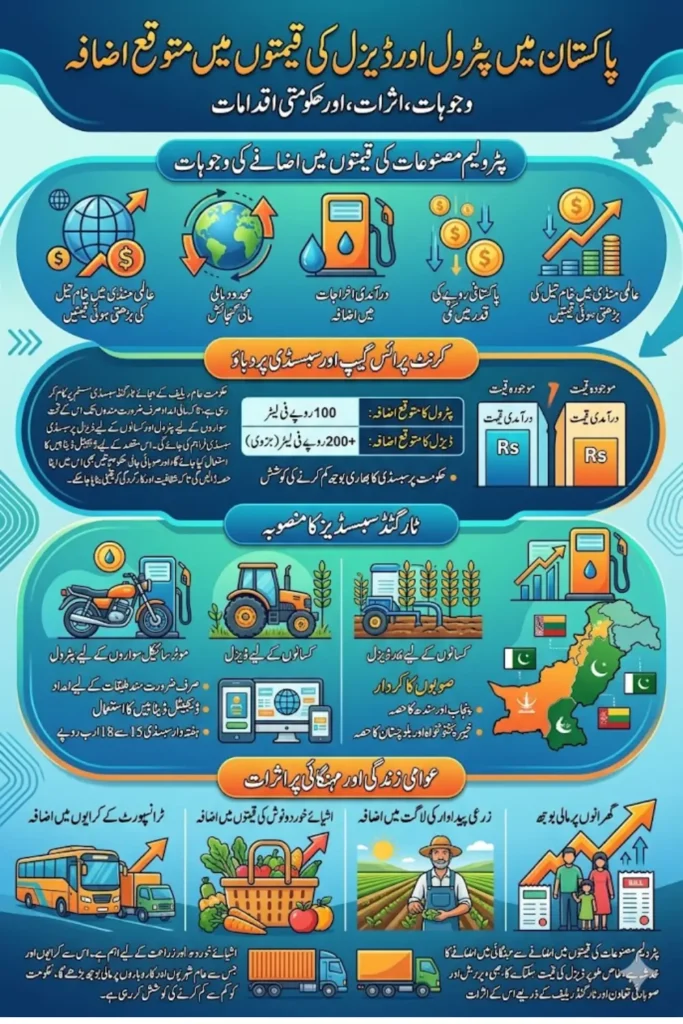
Officials have confirmed that the increase will be announced within days, following final calculations by relevant authorities. While the government aims to reduce its financial burden, it is also working on targeted subsidies to protect vulnerable groups such as motorcyclists and farmers.
Why Fuel Prices Are Increasing
The primary reason behind the expected increase in fuel prices is the rising cost of oil in international markets. Pakistan relies heavily on imported fuel, making it sensitive to global price fluctuations.
The government has been absorbing a significant portion of these costs through subsidies, but this approach is becoming unsustainable. As a result, authorities are now planning to pass some of the burden onto consumers while limiting the fiscal deficit.
Key Factors Behind the Increase
- Rising global crude oil prices
- Depreciation of the local currency
- High import costs for petroleum products
- Limited fiscal space for continued subsidies
- Pressure from international financial institutions
These factors combined have forced policymakers to reconsider their pricing strategy and move toward gradual adjustments.
You can also read: Check Official Fuel and Diesel Prices in Pakistan
Current Price Gap and Expected Adjustments
Officials estimate a significant gap between current fuel prices and their actual import-adjusted costs. This gap is putting immense pressure on the national budget.
The government is considering passing the full increase for petrol and a partial increase for diesel. This approach aims to balance public relief with economic realities.
Estimated Price Gap
| Fuel Type | Current Gap (Rs./Litre) | Likely Adjustment Strategy |
|---|---|---|
| Petrol | ~Rs. 100 | Full or near-full increase |
| Diesel | ~Rs. 200+ | Partial increase (about half) |
This pricing strategy reflects the government’s attempt to manage inflation while reducing subsidy expenses.
Government’s Subsidy Strategy
To ease the burden on low-income groups, the government is working on a targeted subsidy system. Instead of providing blanket relief, subsidies will be directed toward specific segments of society.
This approach is designed to ensure that financial support reaches those who need it most without overwhelming the national budget.
Planned Subsidy Measures
- Petrol subsidies for motorcyclists
- Diesel support for farmers
- Use of digital databases for targeted distribution
- Weekly subsidy allocation between Rs. 15–18 billion
- Potential increase up to Rs. 30 billion depending on oil prices
The government has already spent around Rs. 129 billion on fuel subsidies in recent weeks and plans to cap total spending at Rs. 158 billion.
Role of Provincial Governments
Provincial governments will play a key role in sharing the subsidy burden. This marks a shift toward a more collaborative approach between federal and provincial authorities.
Each province will contribute based on specific criteria, ensuring a fair distribution of financial responsibility.
Provincial Contributions
- Punjab and Sindh: Based on population share
- Khyber Pakhtunkhwa and Balochistan: Based on fuel consumption
- Sindh: Diesel subsidies for farmers through existing databases
- Punjab and KP: Planning similar farmer support programs
This coordination is expected to improve efficiency and reduce duplication in subsidy distribution.
Impact on Inflation and Daily Life
Fuel price increases have a direct impact on the cost of living. Diesel, in particular, plays a crucial role in transportation and agriculture, making it a key driver of inflation.
Higher fuel prices can lead to increased transportation costs, which eventually raise the prices of essential goods, especially food items.
Likely Effects on the Public
- Increase in transportation fares
- Higher food prices due to freight costs
- Rising cost of agricultural production
- Financial strain on middle- and low-income households
- Potential slowdown in economic activity
Although the government has asked provinces not to increase public transport fares in major cities, disparities may still emerge in smaller regions.
Transport Sector and Economic Concerns
The transport sector is particularly sensitive to diesel price changes. Any increase in diesel costs can quickly translate into higher logistics and supply chain expenses.
This can create a ripple effect across multiple industries, affecting both producers and consumers. Policymakers are aware of these risks and are trying to minimize the impact through controlled price adjustments and subsidies.
Future Outlook and Uncertainty
The future of fuel pricing in Pakistan largely depends on global oil market trends. If international prices continue to rise, the government may have limited options but to pass on further increases.
At the same time, the success of the targeted subsidy system will be crucial in maintaining economic stability and protecting vulnerable populations.
What to Expect in the Coming Weeks
- Official announcement of new fuel prices
- Launch of targeted subsidy programs
- Increased coordination between federal and provincial governments
- Continued monitoring of global oil trends
- Possible further adjustments depending on market conditions
You can also read: Jaecoo J7 2026 Price in Pakistan
Conclusion
The expected increase in petrol and diesel prices marks another challenging phase for Pakistan’s economy. While the government is trying to balance fiscal responsibility with public relief, the impact on daily life is inevitable.
Targeted subsidies and provincial cooperation offer some hope, but the situation remains uncertain due to global market dynamics. For now, citizens should prepare for higher fuel costs while keeping an eye on upcoming government measures aimed at easing the burden.